Substernal Thyroid
Reviewed by the medical team of El Doctor Editorial policy
Substernal goiter, also called substernal thyroid, occurs when a part of the thyroid gland grows and extends into the chest, behind the sternum.
How it may show up: By taking up space in the chest, it sometimes causes a sensation of pressure, difficulty swallowing, changes in the voice, or discomfort when breathing, although it can also go unnoticed.
Why it occurs: It is usually associated with the progressive growth of the thyroid gland over time.
Which specialist treats it? Endocrinology is in charge of studying the functioning of the thyroid, and in some cases oncology participates when it is necessary to rule out other causes of the growth. If this condition is suspected, it is advisable to see a professional who assesses each case individually.
Data on 28 doctors who treat substernal thyroid
Which specialist treats substernal thyroid?
Substernal Thyroid is usually treated by specialists in general practitioner, endocrinologist, pediatric endocrinologist, general surgeon, surgical oncologist, infectious disease specialist, ophthalmologist, oncologist.
Treatment by city
Doctors specialized in substernal thyroid
Dr. Jose Angel Ramirez Rodriguez
Dr. Miguel López Vázquez

Dr. Manuel Carrasco Saldivar

Dr. José Miguel López Zepeda

Dr. Jose Luis Zamora Mendez
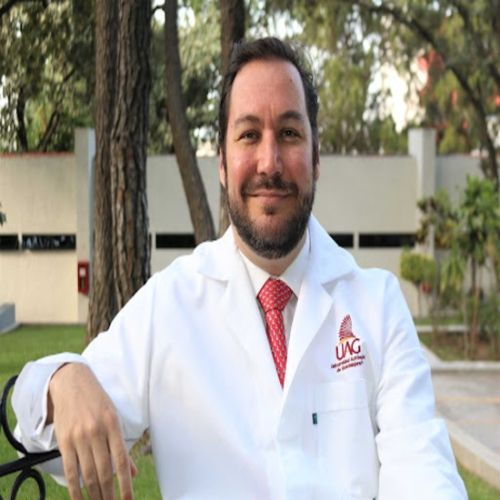
Dr. Patrick Pendavis Heksner
Dr. Juan Carlos Zepeda Vilagrana
Dr. Lucila Ramon Castano
Dr. Santos Oscar Ramos

Dr. Feliciano Ramon Medellin Rodriguez

Dr. Samuel Ramos Linaje

Dr. Hector Carlos Carrizales Torres

Dr. Luis Miguel Garza Huerta

Dr. Alfredo Delgado

Dr. Perla Santiago Garduza

Dr. Luis Ernesto Maldonado Villela

Dr. José Augusto Ortíz Mortera

Dr. Sergio Martinez Z.
Dr. Ezequiel Diaz Benitez
Dr. Amadeo Cervantes López
Frequently asked questions
What is substernal thyroid?
Substernal goiter, also called substernal thyroid, occurs when a part of the thyroid gland grows and extends into the chest, behind the sternum.
Which doctor treats substernal thyroid?
Substernal Thyroid is usually treated by specialists in general practitioner, endocrinologist, pediatric endocrinologist, general surgeon, surgical oncologist, infectious disease specialist, ophthalmologist, oncologist.