Grief
Reviewed by the medical team of El Doctor Editorial policy
Mourning, also called grief, is the emotional, physical, and social response that appears after the loss of a loved one. It is part of a natural process of adaptation, though its intensity and duration vary greatly from one person to another.
How it shows up: it may include deep sadness, crying, difficulty concentrating, changes in sleep or appetite, and at times a feeling of emptiness or anger. These reactions tend to change over time.
When is it worth seeking support? When the distress lingers, interferes with daily life, leads to marked isolation, or brings thoughts that worry the person or those around them.
Professional support: a psychologist or psychoanalyst can offer a space to work through the loss, and in some cases a psychiatrist evaluates the situation when the suffering is very intense. If you feel that the pain overwhelms you, talking with a mental health professional can be a helpful step toward well-being.
Data on 4,318 doctors who treat grief
Which specialist treats grief?
Grief can be supported by a psychologist, who helps process the loss. An educational psychologist, a psychoanalyst, a sexologist, or a complementary therapist may also offer support depending on your needs. Find these specialists.
Treatment by city
Doctors specialized in grief
Dr. Jose Angel Ramirez Rodriguez
Dr. Miguel López Vázquez

Dr. Manuel Carrasco Saldivar

Dr. José Miguel López Zepeda
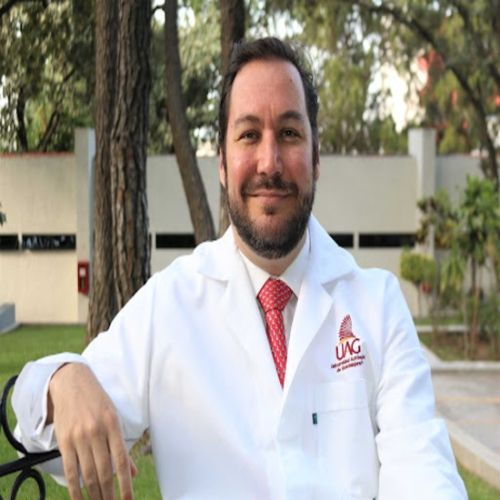
Dr. Patrick Pendavis Heksner
Dr. Juan Carlos Zepeda Vilagrana

Dr. Paola Muñoz Alejandre

Dr. Gisela Patricia Trinidad Santos

Dr. Rosa Juárez

Dr. Alejandro García Ramírez

Dr. Alejandro Soto

Dr. Daniela González

Dr. Victoria Lozada Saucillo
Dr. Isabel Alvarado Garza Lic Daniela
Dr. Roxana Contreras García
Dr. Alma Patricia Beas Ramos

Dr. Cynthia Lineth Gámez Vega

Dr. Alejandra Campos Zertuche

Dr. Carlos Arturo Moreno De la Rosa

Dr. Alfredo Delgado
Frequently asked questions
What is grief?
Mourning, also called grief, is the emotional, physical, and social response that appears after the loss of a loved one. It is part of a natural process of adaptation, though its intensity and duration vary greatly from one person to another.
Which doctor treats grief?
Grief can be supported by a psychologist, who helps process the loss. An educational psychologist, a psychoanalyst, a sexologist, or a complementary therapist may also offer support depending on your needs. Find these specialists.